
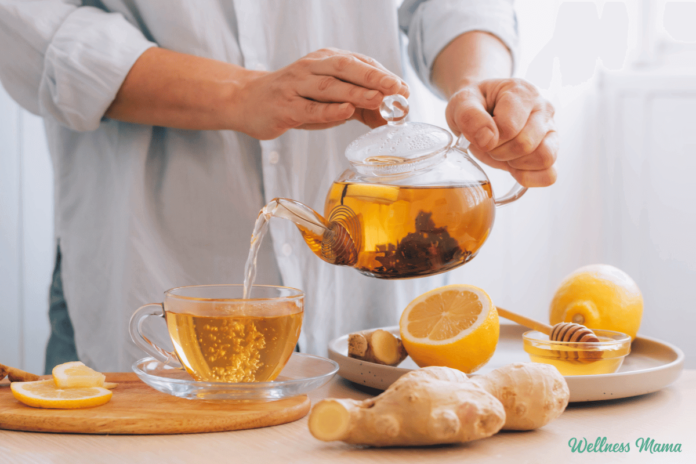
Herbal teas are one of nature’s simplest, most comforting health tools. Unlike traditional teas and coffee, most herbal blends are naturally caffeine‑free, making them gentle enough to enjoy any time of day — morning, afternoon, or right before bed. They can help you stay hydrated, deliver plant‑based nutrients, and support various aspects of health without the jittery side effects of caffeine.
Whether you’re already a tea lover or just curious to explore new flavors, there’s likely a herbal brew out there that suits your taste and health goals. Below are some delightful and health‑minded recipes and blends to try, each with its own unique benefits.
1. Iced Dandelion Lime Tea — A Refreshing Nutrient Boost
Dandelion tea gets a bad rap as a pesky garden weed, but these bright yellow flowers are actually packed with nutrients. Brewed with a squeeze of lime and a touch of raspberry leaf for extra nutrition, this iced tea is vibrant and refreshing — perfect for hot afternoons. Just be sure to remove the petals from the green base to keep bitterness at bay.
2. Chamomile — Gentle and Soothing
Chamomile tea is beloved worldwide for its naturally sweet, apple‑like flavor and soothing effects. It’s particularly known for supporting relaxation and restful sleep, making it a perfect wind‑down beverage before bed. Families often keep this on hand for its calming comfort — even for kids.
3. Peppermint — A Digestive Friend
Peppermint tea is refreshing with a cool, minty aroma. Many people drink it after meals to help ease digestion, soothe an upset stomach, or simply enjoy its invigorating flavor. Some find it helps with acid reflux; others prefer to avoid it if it seems to trigger sensitivity — as with all herbal drinks, personal response can vary.
4. Raspberry Leaf — Nourishing and Balanced
Raspberry leaf isn’t just tasty — it’s highly nutrient‑dense. With a flavor resembling mild black tea, this blend is rich in vitamins and minerals. It’s especially popular among women, often chosen for its traditional association with hormone balance, skin health, and supportive use during pregnancy.
5. Sleep Ease Blend — A Calming Nightcap
If restful sleep feels elusive, a custom blend might help. Combining chamomile, mint, and catnip, this calming tea is designed to ease tension and help your body prepare for sleep. Simple to make — just steep equal parts of each herb in hot water and enjoy before bedtime.
6. Lavender Tea — Relaxation in a Cup
Lavender isn’t just for scented sachets — it also makes a wonderfully soothing tea. When blended with mint and a bit of stevia for sweetness, lavender tea can help calm the mind and support sleep. Its floral aroma invites tranquility, making it a great choice after long or stressful days.
7. Spice‑Infused Chai — Warm and Cozy
Chai tea is rich with spice and tradition. This herbal version swaps black tea for raspberry leaf and uses coconut milk instead of dairy, offering a creamy, caffeine‑free twist on the classic. Add your favorite spices like cinnamon, cardamom, or cloves to make it your own — and enjoy it warm or chilled.
8. Herbal Coffee — A Caffeine‑Free Alternative
If you’re trying to step back from your morning coffee habit, consider a herbal coffee substitute. Certain blends use ingredients like chicory, carob, and dandelion root to mimic the rich, roasted flavor you crave without caffeine — while still offering a satisfying cup to sip.
9. Stomach Soother Tea — Quick Comfort for Digestion
For occasional stomach discomfort, a simple homemade tea can do wonders. Peppermint supports digestion, fennel seeds help reduce gas, and ginger lends its well‑known anti‑nausea properties. Steep these together for a comforting digestive elixir.
10. Pregnancy‑Friendly Tea — Gentle Support
Herbal teas have been used traditionally to support digestion and soothe nausea during pregnancy. Some blends include nettle and raspberry leaf, which offer vitamins and minerals thought to be supportive during this time (though it’s always best to consult a healthcare provider before adding herbs to your routine when pregnant).
Beyond Recipes — Why Herbal Tea Matters
Herbal teas are versatile — you can drink them hot on chilly mornings or iced on warm afternoons. Unlike stimulants like coffee or certain caffeinated teas, herbal infusions can help keep you hydrated while delivering unique plant nutrients and flavors tailored to your goals, whether that’s calming your mind, easing digestion, or simply enjoying a delicious homemade beverage.
And while specific benefits can vary by herb and individual response, many people turn to herbal tea as a natural means to support overall well‑being — enjoying both its ritual and its restorative potential. Just remember: if you’re pregnant, nursing, on medication, or have underlying health conditions, it’s wise to check with a healthcare provider before making herbal teas a regular part of your routine.
In Conclusion
Herbal teas are more than just warm or refreshing drinks — they’re an invitation to slow down, savor something crafted from nature, and nourish your body with simple, thoughtful ingredients. Experiment with flavors, blend your favorites, and let your tea cup become a small but powerful part of your wellness journey.