
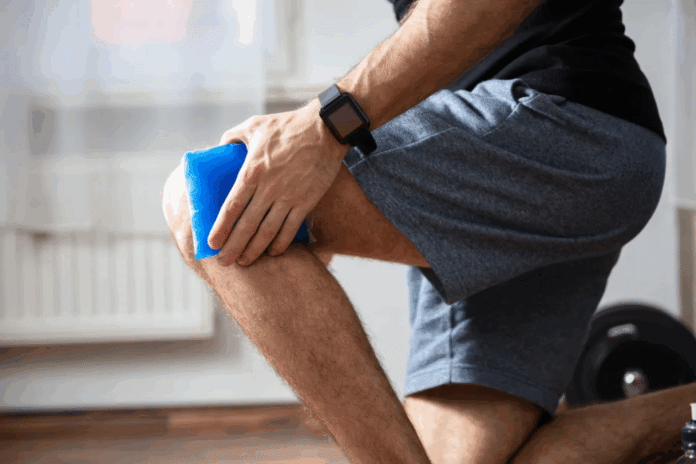
Knee pain is one of the most common frustrations runners face — especially for those logging frequent miles or pushing toward new distances. While occasional discomfort can be part of the journey, persistent knee issues often point to preventable habits in training, technique, or preparation. The good news? With the right approach, you can significantly reduce stress on your knees and enjoy running without discomfort.
1. Start Strong with a Dynamic Warm‑Up
Before your feet hit the pavement, investing a few minutes in a warm‑up can make a remarkable difference. A dynamic warm‑up gently raises your body temperature, stimulates blood flow, and literally “greases” the joints by encouraging synovial fluid movement — the natural lubricant in your knees.
But it’s not just about the joints. A good warm‑up activates the muscles that stabilize your lower body, especially the glutes and hips, so your knees aren’t left to shoulder all the load during your run. Simple movements like air squats, leg swings, and lunges will prime your body to move more efficiently.
2. Wear the Right Shoes
Your choice of running shoes isn’t just about comfort — it directly influences how much stress travels up to your knees. Because running is a repetitive activity, even minor biomechanical issues at your feet or ankles can magnify into knee strain over time.
Instead of guessing, consider visiting a specialist running store with experienced staff who can assess your gait and recommend shoes that suit your mechanics. Investing in proper footwear pays dividends in preventing knee pain — and might be worth more than generic gym sneakers.
3. Mix Up Your Terrain
Repetitive loading — the same impact patterns on the same surface — contributes to overuse injuries like runner’s knee. One effective strategy to break this cycle is to vary where you run. Trail runs, grass fields, or softer tracks introduce slight variability in impact and movement demands, giving your joints and muscles a richer, more balanced workload.
Many runners find that those who spend more time off‑road suffer fewer repetitive strain injuries than those who run consistently hard surfaces like concrete. Introducing at least one varied terrain run each week can make your training more resilient.
4. Build Mileage Wisely
Patellofemoral pain syndrome and other knee injuries often result from doing too much, too soon. The knee doesn’t “know” whether you’re training for a 5K or a marathon — it only responds to the amount and intensity of load you place on it.
Rapid increases in weekly mileage or jumping into an aggressive training plan without proper buildup are common pitfalls. A gradual, consistent progression allows your muscles, connective tissues, and joints to adapt — reducing stress and reducing injury risk.
5. Refine Your Running Technique
Even subtle adjustments to form can alter how forces are transmitted through your knees. Two technical tweaks backed by research are:
- Lean slightly forward — A gentle forward trunk lean helps align your center of gravity and reduces peak stress on the knee joint.
- Increase your cadence — Taking slightly more steps per minute (even a 5 % increase) shortens stride length and decreases the impact at each footstrike.
These adjustments naturally reduce overstriding — landing with your foot too far ahead of your body — a common source of increased braking forces that batter the knees.
6. Strengthen the Muscles Around the Knee
Strong muscles equal strong support for your joints. When the muscles surrounding your knees — quads, hamstrings, glutes, and calves — are well‑conditioned, they help control movement and stabilize the knee during every step.
Incorporate exercises such as squats, lunges, and single‑leg movements into your training. These don’t just protect the knee — they improve your overall running efficiency too.
7. Don’t Forget Shoe Maintenance
Even the best pair of running shoes loses its protective qualities over time. Most running shoes start breaking down after around 500 miles, meaning cushioning and support decrease — often without you noticing.
If you’ve been logging heavy mileage without replacing your shoes, it could be silently contributing to knee stress. Keeping an eye on shoe wear and rotating pairs when needed helps maintain consistent support for your joints.
8. Finish Strong with a Cool Down
Just as warming up prepares your body, cooling down helps it recover. Tight quads and hamstrings can subtly distort knee alignment and movement patterns, leading to discomfort after runs. A thoughtful cool‑down routine — including stretching or foam rolling — helps ease tightness and maintain flexibility.
The Big Picture
Running without knee pain isn’t about eliminating stress entirely — it’s about managing it intelligently. Warm up thoroughly, choose the right gear, vary your terrain, respect gradual progression, refine your form, and build strength. These are the habits that keep knees healthy, running enjoyable, and your goals within reach.