

Glucagon‑like peptide‑1 — more commonly known by the shorthand GLP‑1 — has become a buzzword in conversations about metabolism, appetite, and blood sugar regulation. That’s partly due to the rise of medications like Ozempic and Wegovy, which mimic this hormone’s effects to help manage type 2 diabetes and support weight loss. But what if there were ways to gently nudge your GLP‑1 system through everyday lifestyle choices, like what you eat (and drink)? Specifically, can coffee — one of the world’s most consumed beverages — play a role?
Let’s take a closer look at what GLP‑1 does in the body, how coffee might interact with it, and what this means for your metabolism and daily routine — all in clear, practical terms.
Understanding GLP‑1: A Key Hormone in Appetite and Blood Sugar Control
GLP‑1 is a hormone produced in the gut shortly after eating. When carbohydrates break down into glucose, GLP‑1 has two main jobs:
- Signaling the pancreas to release insulin so cells can take up glucose for energy.
- Slowing digestion and communicating with the brain to help you feel full.
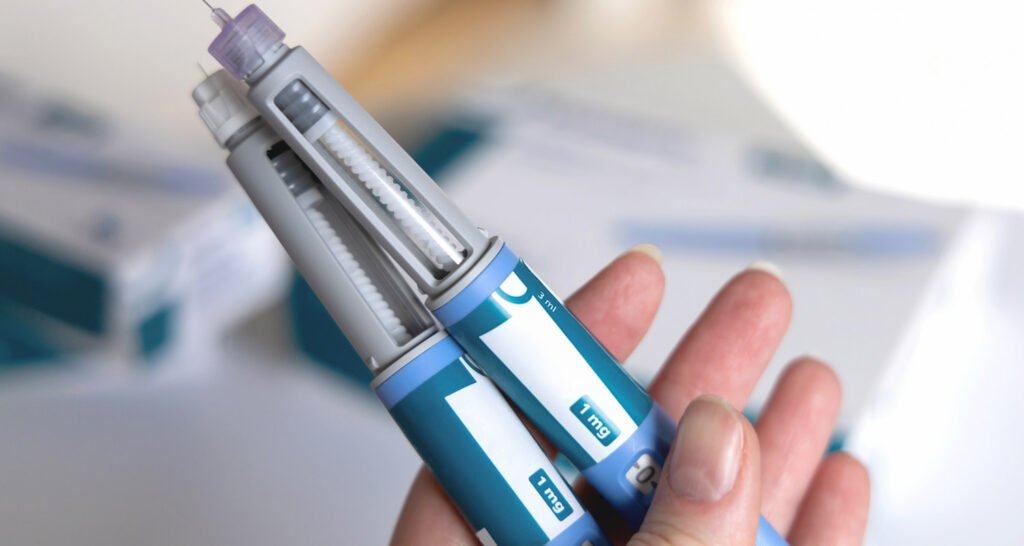
These functions make GLP‑1 a powerful regulator of hunger and blood sugar balance — which is why GLP‑1‑based medications have become so popular. Yet those drugs act in ways far stronger than anything found in food or drink.
Does Coffee Directly Boost GLP‑1?
Here’s the honest answer: Coffee isn’t a replacement for GLP‑1 medications, and it doesn’t stimulate the hormone in the same targeted way that prescription drugs do.
However, coffee does contain compounds that may help support the body’s natural metabolic processes, particularly polyphenols — plant‑derived antioxidants like chlorogenic acid. These substances have been studied for their potential to influence gut hormones and glucose regulation.
Some research in humans shows that decaffeinated coffee can slightly bump total GLP‑1 levels shortly after drinking — though this didn’t clearly translate into changes in insulin or glucose in those studies. Moreover, other trials find that polyphenol‑rich coffee extracts may enhance the release of active GLP‑1 and help blunt spikes in blood sugar after meals.

So, while coffee doesn’t mimic pharmaceutical GLP‑1 drugs, its components may help support some of the same physiological pathways — especially when consumed as part of an overall healthy lifestyle.
Metabolic Perks Beyond GLP‑1
Coffee may offer more metabolic benefits that go beyond any interaction with GLP‑1:
- Blood sugar handling: Regular coffee intake has been linked in large observational studies to a lower risk of developing type 2 diabetes, a pattern seen with both caffeinated and decaffeinated coffee — suggesting components beyond caffeine are at work.
- Antioxidant activity: The polyphenols in coffee act as antioxidants that can help reduce oxidative stress — a factor in metabolic and cardiovascular health.
- Energy and alertness: Caffeine stimulates the nervous system, which can help with mental alertness and energy levels throughout the day. Enhanced focus and energy may make healthy habits (like physical activity) easier to maintain and enjoy.
These effects aren’t directly tied to GLP‑1, but they support the broader metabolic picture that GLP‑1 is part of.
Boosting Your Coffee — and Your GLP‑1 Support
If you’re interested in using your coffee routine as a small piece of your metabolic strategy — without relying on drugs — consider functional coffee approaches.
“Functional coffee” refers to brews that include added ingredients beyond the beans themselves — ingredients chosen for specific biological effects. Some options include:
- MCT oil: Medium‑chain triglycerides, especially certain types like capric acid (C10), may help support metabolic pathways linked to appetite regulation — though not all MCTs behave the same.
- Fiber: Soluble fiber doesn’t dissolve in coffee itself, but pairing your brew with high‑fiber foods (like fruits, legumes, or whole grains) can promote GLP‑1 release by feeding gut bacteria, which then produce molecules that help stimulate satiety hormones.
- Protein: Eating protein alongside your coffee — whether from eggs, yogurt, or even a protein‑infused coffee drink — can enhance feelings of fullness and help trigger GLP‑1 release naturally.
These additions don’t turn coffee into a GLP‑1 drug, but they can help expand the metabolic support your morning cup offers.
Should You Drink Coffee for GLP‑1 Support?
At the end of the day, coffee isn’t a stand‑in for medical treatment — especially for those with conditions like diabetes or for people taking GLP‑1 medications. But drinking coffee can be part of a lifestyle that supports healthy blood sugar control, appetite regulation, and metabolic balance over time.
Here’s a smart takeaway:
- Enjoy your coffee — but think of it as one piece of the metabolic puzzle rather than a miracle fix.
- Pair it with proteins and fiber‑rich foods to maximize natural GLP‑1 release and satiety.
- Mind your overall diet and activity patterns, as those have the largest, most consistent impact on metabolism.
In that context, your coffee can be more than a morning ritual — it can be a small but meaningful contributor to your metabolic health.