
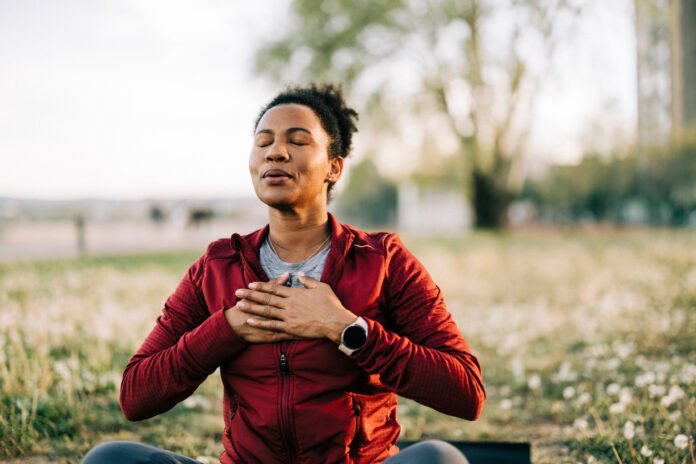
In times of upheaval and uncertainty, stress can feel like an ever‑present companion. Whether life’s challenges come in the form of world events, personal pressures, or just an overwhelming to‑do list, it’s easy to feel worn down, distracted, or emotionally drained. But even small moments carved out for ourselves—minutes spent breathing deeply, moving gently, or grounding our minds—can have a powerful impact on our overall sense of well‑being.
While there’s no magic cure for difficult emotions, integrating mindful movement and breath awareness into your day can help you navigate stress with more ease. Below, you’ll find approachable tools and calming practices designed to soothe your nervous system and help you feel more centered, even when life feels heavy.
Why Movement and Breath Matter for Stress
Stress isn’t just a feeling—it’s an embodied experience. When we’re tense, our muscles tighten, our breath quickens, and our nervous system shifts into survival mode. By bringing gentle awareness to both movement and breathing, we activate the body’s natural relaxation response, signaling to the brain that it’s safe to calm down and slow down.
In particular, combining movement with intentional breathing can help:
- Release muscular tension
- Restore focus and present‑moment attention
- Quiet runaway thoughts
- Support emotional regulation
Each of these contributes to a calmer, more resilient response to stress.
Free Stress‑Relieving Workout: Move With Purpose
Movement doesn’t have to be intense to be effective. A standing stress‑relief sequence that emphasizes alignment, gentle range of motion, and synchronized breath can do wonders for your state of mind.
Here’s a simple framework you can try:
- Stand tall with feet hip‑distance apart.
- Inhale deeply through your nose, letting your rib cage and belly expand.
- As you exhale, sweep your arms slowly overhead, allowing the movement to feel fluid, not forced.
- Focus on your breath with every motion, letting movement guide your attention back to your body and away from worry.
- Complete a few rounds, taking breaks whenever you need to, and just notice how your body responds.
This gentle practice combines mindful movement with rhythmic breathing, grounding your awareness in the present moment and helping to soothe your nervous system. There’s no need for equipment or a lot of space—just a few minutes and your own intention to feel better.
Soothe Your Nervous System with Breathwork
Breathwork isn’t just about inhaling and exhaling; it’s about doing it with intention. Conscious breath patterns help shift the nervous system out of “fight‑or‑flight” mode and into a state of rest, repair, and digestion—what experts call the parasympathetic response.
Here’s a gentle breathwork sequence to try:
1. Intentional 4‑4 Breathing
- Inhale slowly through your nose for a count of four.
- Exhale evenly for a count of four.
Repeat this cycle 6–8 times. This slow pattern supports deeper oxygen exchange and signals safety to your body.
2. Breath With Movement
Pair each inhale and exhale with a simple motion—like raising your arms on the inhale and lowering them on the exhale. This blends breath with body awareness, helping you stay anchored in the present.
These practices don’t have to take long to be effective. Even a few minutes can reset your nervous system and leave you feeling calmer and clearer.
Tips for Success
Here are a few simple ways to make these practices part of your life:
🌿 Keep It Short and Consistent
You don’t need hours of practice to benefit. A short daily routine—just 5–10 minutes—can create a sense of rhythm and routine that supports long‑term resilience.
🌬️ Let Breath Be Your Anchor
During stressful moments, pause and notice your breath. Bringing attention to your inhalation and exhalation naturally quiets the chatter of the mind.
📌 Be Kind to Yourself
There’s no “right” way to feel during these exercises. Some days will feel easier than others. The goal isn’t perfection—it’s simply showing up for yourself.
Make Wellness Your Priority
Stress is a human experience, and it’s okay to feel overwhelmed sometimes. What matters most is giving yourself permission to pause, reset, and care for your inner world. The combination of thoughtful movement and breathwork is a powerful tool you can return to again and again.
Whether you have only a few minutes to spare or want a more structured practice, these techniques are simple, accessible, and designed to help you reconnect with your body and calm your mind. Take a breath, move with intention, and remember: small moments of care can lead to meaningful shifts in how you feel.