
Most of us have heard plenty about the heart, lungs, and digestive system—but a quieter, equally vital network works behind the scenes to keep us healthy: the lymphatic system. Often overlooked, this intricate system plays a central role in immunity, detoxification, fluid balance, and overall vitality. What’s more, unlike blood circulation, lymph movement depends largely on lifestyle habits we can influence every day.
What the Lymphatic System Actually Does
The lymphatic system is a vast web of vessels, nodes, and organs—like the spleen, tonsils, and thymus—that transports a clear fluid called lymph. This fluid carries immune cells, proteins, nutrients, and metabolic waste throughout the body. As lymph passes through the nodes, it’s filtered so debris, toxins, and damaged cells can be identified and cleared.
In simple terms, the lymphatic network helps your body:
- Support immune defense by moving infection-fighting cells where they’re needed.
- Maintain fluid balance by returning excess tissue fluid to the bloodstream.
- Aid detoxification by transporting waste products to organs that eliminate them.
Unlike the circulatory system, the lymphatic system has no built‑in pump like the heart. It relies entirely on body movement, breathing, and other physical mechanisms to keep lymph flowing. That means lifestyle habits significantly impact how well it functions.
Why Lymph Can Get “Stuck”
Lymph flow can become sluggish for many reasons—including things most of us do every day. Modern life doesn’t always encourage the movement our bodies need. Common contributors to impaired lymph flow include:
- Long periods of sitting or inactivity
- Dehydration, which makes lymph thicker and harder to move
- Tight clothing that compresses vessels
- Stress and poor breathing patterns
- Lack of sleep
- Exposure to environmental toxins
When lymph isn’t flowing efficiently, the body can struggle to clear waste. Fatigue, swelling, puffiness, brain fog, and lowered immune efficiency are just some of the ways this shows up.
Everyday Habits to Keep Your Lymph Moving
The good news? You don’t need fancy gadgets or expensive treatments to support your lymphatic system. These simple, approachable habits can make a big difference.
1. Move Your Body Regularly
Because lymph fluid travels in response to muscle contractions, even gentle movement can help. Scientific observations show that activities like walking—including very light walking—encourage lymph flow.
- Take short breaks to walk throughout the day.
- Try gentle forms of exercise like yoga, stretching, or tai chi if intense workouts aren’t your thing.
- Light bouncing on a small trampoline (called rebounding) creates up‑and‑down motion that is especially effective at moving lymph.
2. Breathe Deeply
Surprisingly, breathing isn’t just for oxygen—it’s a major pump for lymph. Deep diaphragmatic breathing creates internal pressure changes that help push lymph fluid through the body. Simple breathing exercises can be done anywhere and help calm stress at the same time.
3. Stay Well‑Hydrated—with Minerals Too
Because lymph is mostly fluid, hydration matters. Drinking enough water keeps lymph from becoming thick and sluggish. Adding trace minerals or a pinch of quality salt to your water can help the body absorb and retain fluids more effectively, which further supports lymph movement.
4. Use Gentle Manual Techniques
There are simple ways to manually stimulate lymph flow. These don’t involve deep pressure or vigorous rubbing—in fact, lymphatic vessels run very close to the skin’s surface, so light, gentle strokes are best.
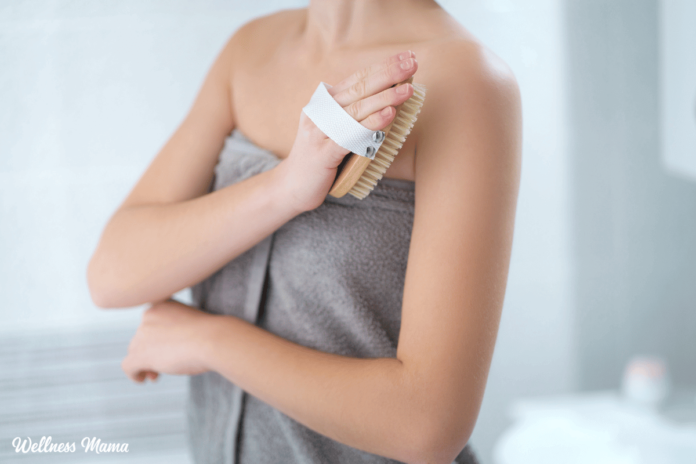
- Dry brushing: Using a soft bristle brush, gently brush the skin toward the heart before a shower to encourage circulation.
- Lymphatic massage: Very light massage, starting near the collarbone and moving outward on limbs, can activate lymph nodes and help fluid move.
Contrast showers—alternating between hot and cold water—can also stimulate circulation and contribute to lymph movement.
5. Consider Lifestyle Enhancers (Optional)
Once the basics are in place, there are additional tools that some people find helpful:
- Vibration plates: These devices create low‑level muscle contractions that encourage fluid movement.
- Herbs and essential oils: Certain botanicals like cleavers or burdock root are traditionally used for lymph support; essential oils diluted in carrier oil can be incorporated into massage.
These methods aren’t necessary, but they can complement a well‑rounded approach.
A Holistic View of Lymph Health
Supporting lymph flow isn’t just a single practice—it’s a lifestyle. Healthy digestion, proper sleep, stress management, and minimizing environmental toxins all contribute to a system that flows smoothly and efficiently.
By focusing on simple daily habits like movement, hydration, breathing, and gentle circulation techniques, you can help your body maintain one of its most essential cleaning and defense systems. It’s not complicated, and it doesn’t require perfection—just consistency.