
For years, I chased perfection in the form of elaborate routines, complex schedules, and cutting‑edge biohacks. Then I discovered something more profound: wellness isn’t about optimizing every minute — it’s about building simple, consistent daily habits that nourish the body’s natural needs.
What follows isn’t a prescription to copy every practice exactly, but rather a collection of the daily habits I rely on most — ones that are accessible, grounded in nature, and rooted in timeless needs like light, movement, hydration, sleep, and time outdoors.
Hydration and Minerals: Beyond Just Water
Hydration is one of the few true non‑negotiables in my day, but it goes deeper than drinking water alone. Our bodies are electrical systems powered not just by H₂O but by minerals that support nerve signaling, muscle function, cellular communication, and energy production.
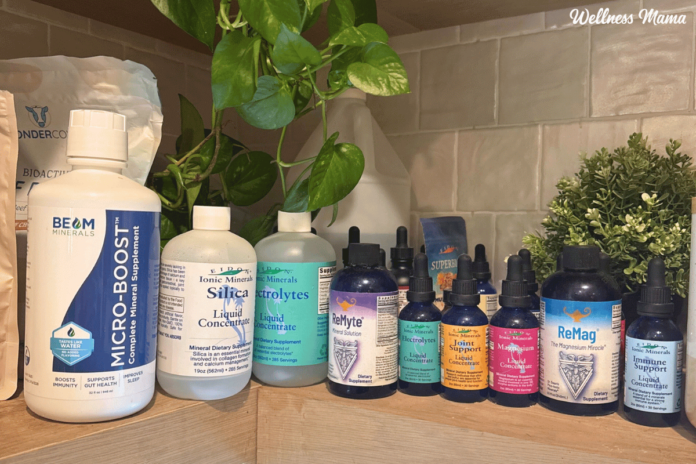
Modern drinking water often lacks the abundant minerals our ancestors got from natural sources like springs. That’s why I start most days with water enhanced with minerals and natural salt — especially soon after waking when the body is mildly dehydrated from overnight water loss.
Morning Sunlight: Reset Your Natural Rhythm
As soon as I’m up, I make time for morning light exposure. Whether it’s stepping outside with my hydration or simply standing barefoot in the yard, sunlight helps regulate circadian rhythms — the internal clock that influences hormones, energy levels, and sleep quality.
Even on cloudy days, outdoor light is far stronger and more beneficial than most indoor lighting. When possible, I combine this with “grounding” — direct contact with grass, soil, or sand — which many find calming and stabilizing for nervous system rhythms.
Prioritizing Sleep: The Foundation of Health
Sleep isn’t merely a nightly obligation — it’s a cornerstone of health. Poor rest undermines digestion, hormones, immunity, mood, and nearly every biological system.
To support deeper, more restorative sleep, I pay attention to both daytime habits (like morning light and movement) and sleep environment. Blackout shades, cool temperatures, and minimal artificial light make it easier to fall asleep and stay asleep — which in turn boosts energy and focus the next day.
Eat with Purpose: Protein First
Once hydration and light are taken care of, I prioritize a protein‑rich start to the day. Eating at least 40 grams of protein early helps stabilize blood sugar, supports muscle health, and sends “safety signals” to the body that reduce cravings and energy dips later on.
This isn’t about strict diets but about giving your body the building blocks it needs to function well throughout the day.
Timing Matters: Aligning Meals with Daylight
Whenever possible, I aim to finish eating a few hours before bedtime. This aligns digestion with natural daylight and helps the body shift into restorative sleep mode instead of remaining engaged in continuous digestion.
This habit isn’t rigid — it’s flexible and tuned to personal schedules — but it reflects a deeper principle: listening to our body’s rhythms rather than forcing artificial patterns.
Everyday Movement: Simple Strength
Daily physical activity doesn’t require long gym sessions. One of my favorite daily movement habits is hanging from a bar or sturdy surface, even for just moments throughout the day. Not only does this decompress the spine and stretch shoulders, it strengthens grip — an often overlooked predictor of long‑term health.
Small doses of intentional movement, done consistently, contribute to posture, circulation, and overall vitality without feeling like a chore.
Nature’s Light: Red and Free
Red light — particularly around sunrise and sunset — plays a vital role in mitochondrial health, skin wellness, and circadian regulation. While I do use some red light devices, nothing replaces the free, natural red light from the sky. I try to “stack” this habit with grounding and hydration for added benefits.
Optional Tools & Treats
While these core practices form my daily foundation, I also enjoy complementary tools that enhance comfort and recovery — from acupressure mats to PEMF mats and beyond. But none of these are essential; they should enhance your routines, not define them.
Final Thoughts: Consistency Over Perfection
What matters most is not doing every habit perfectly every day, but showing up with intention — day after day. Much like compound interest, small actions build upon each other over time, shaping how you feel, sleep, think, and perform.
You don’t have to adopt every habit at once. Begin with a few that resonate and build gradually. Often, it’s the simplest practices — hydration, morning light, movement, meaningful rest — that create the biggest and most lasting impact.