
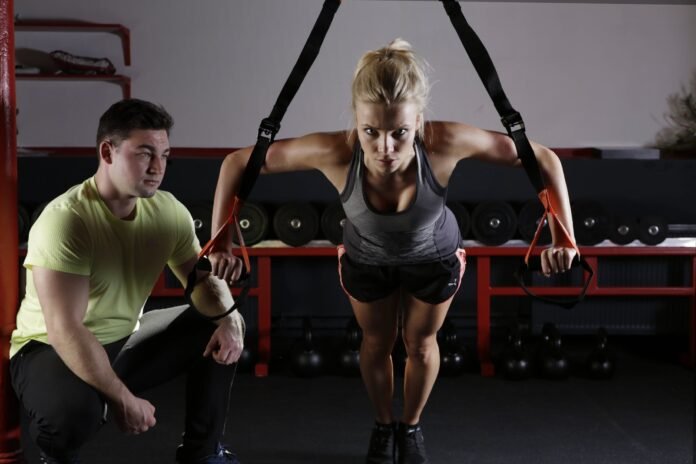
Hiring a personal trainer can be one of the smartest decisions you make on your fitness journey — but only if you find the right one. Spend months and thousands of dollars with someone who isn’t a good fit, and you could see little progress toward your goals. That’s frustrating and expensive. This guide will help you find a trainer who actually helps you get stronger, healthier, and more confident.
Begin With Your Goals
The first step is simple: know why you want a trainer. Trainers have different strengths, just like specialists in medicine. A coach who excels at marathon training might not be the best person to teach you how to powerlift — and that’s OK.
Ask yourself:
- Are you trying to lose weight?
- Do you want to build strength?
- Are you training for a specific event like a race or competition?
- Or are you simply trying to get in better shape and enjoy exercise more?
Your answer will guide your search. A trainer who has helped others reach goals similar to yours — in a similar age group or experience level — is far more likely to be effective.
Personality Matters — Seriously
Expertise is crucial, but personality fit is just as important. You’ll be spending a lot of time with your trainer, whether online or in person, so make sure their coaching style matches what motivates you.
Ask yourself:
- Do you want someone who cheers you on?
- Or do you respond better to tough love?
- Do you like explanations, or do you want to trust the plan and just follow it?
Don’t underestimate how much a bad personality fit can derail your progress. Finding someone you click with can make workouts feel less like a chore and more like a partnership.
Before You Commit: Talk It Out
Once you identify a trainer you’re considering, have a detailed conversation before signing up. This is where many people make mistakes. A good trainer should:
- Ask about your history with workouts, injuries, or limitations, so they can design a safe and effective plan.
- Share examples of past client successes and explain how they helped get those results.
- Clearly describe how they will help you reach your specific goals.
- Set realistic expectations — fitness takes time and consistency.
- Ask about your nutrition — because what you eat outside the gym matters most.
If a trainer can’t articulate these things, that’s a red flag.
Avoid These Common Trainer Pitfalls
It’s easy to confuse a hard workout with a good one. But just because a session leaves you breathless doesn’t mean it’s helping you get closer to your goals.
Watch out for trainers who:
- Use overly complicated moves that don’t relate to your goals.
- Give the same generic routine to everyone — one size rarely fits all.
- Rely on buzzwords like “muscle confusion” without explaining why the exercises matter.
- Dismiss your concerns or ignore your feedback.
A good trainer should design workouts that are tailored to you, not just make you tired.
Qualifications and Experience: What to Look For
Certifications can be helpful, but they aren’t the whole story. Many respected trainers hold certifications from organizations such as:
- NSCA (National Strength and Conditioning Association)
- ACSM (American College of Sports Medicine)
- NASM (National Academy of Sports Medicine)
- ACE (American Council on Exercise)
- ISSA (International Sports Sciences Association)
Specialty credentials in areas like nutrition, mobility, or sports performance can also be valuable.
That said, don’t dismiss someone without a fancy certification if they have solid real‑world experience. A trainer who’s helped many clients achieve similar goals can be worth their weight in gold.
Cost: Set Your Expectations
How much should you pay? The answer varies widely based on where you live and what type of training you want. In North America, the average per‑session rate is roughly $55–$65 per hour, but prices can range from $35 to well over $100 depending on location and trainer reputation.
Costs also depend on whether sessions are in‑person, virtual, or part of a monthly online coaching program with workouts and nutrition guidance.
Here’s the key: don’t equate higher prices with better results. Value matters more than cost. A more expensive trainer who truly helps you reach your goals can be a bargain compared to a cheaper one who doesn’t make a difference.
Online vs. In‑Person Training
Online coaching is increasingly popular because it offers flexibility, worldwide accountability, and often better pricing. You can train when and where it works for you, which is great for busy people or travelers.
However, it doesn’t replace in‑person feedback for complex movements or technique coaching. If your goals involve heavy lifting or advanced lifts, having a coach physically present might be worth it.
Give It Time — And Be Honest With Yourself
Professional guidance accelerates progress, but it doesn’t do the work for you. Be honest in your conversations with your trainer about what’s working and what’s not. This mutual feedback helps customization and keeps both of you aligned on your progress.
Allow a few initial sessions — maybe five — before deciding if someone is a good long‑term fit. Not every first meeting will be perfect, just like not every first date leads to a relationship.
Final Thoughts
Hiring a trainer isn’t about getting a magic shortcut to results. It’s about finding a guide who understands you, supports your goals, and crafts a plan that fits your life. With the right person beside you — and the right expectations — personal training can be one of the most empowering investments you make.