
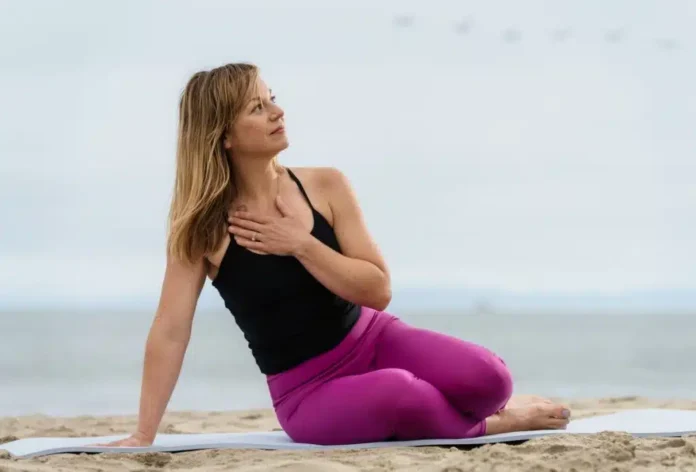
Anxiety is surprisingly common: more people worldwide experience it than any other mental health condition. In the United States alone, millions report regular anxious feelings, and statistics consistently show women reporting more anxiety than men. While reaching out for professional help is always an important first step if symptoms are overwhelming, there’s a wealth of simple, science‑informed practices you can incorporate into your daily life to ease anxious moments and create more emotional balance.
At the heart of these practices is mindfulness—a way of tuning in to what’s happening right now with curiosity and without judgment. Research suggests that mindfulness can decrease nervous system reactivity and strengthen brain circuits involved in emotional regulation, helping to reduce anxiety from the inside out.
Below are 10 mindful activities that are accessible, practical, and gentle ways to bring calm into your day, even in the midst of anxious thoughts.
1. Pilates — Move With Presence
Pilates isn’t just exercise; it’s an invitation to bring awareness into motion. Rather than focusing on performance, pay attention to how your body feels as it lengthens and strengthens. The gentle flow of movements paired with conscious breath work releases endorphins (natural mood lifters) and helps shift your mind away from stress.
Even short sessions — five to fifteen minutes — can draw you into the body’s sensations and out of spiraling thoughts.
2. Gardening — Ground Yourself in Nature
There’s something uniquely soothing about tending soil, watching a seed sprout, or simply touching leaves. Time in nature — even with just a few potted plants — has been linked to greater emotional resilience and reduced stress.
Gardening invites your senses to slow down: listen to the breeze, feel the earth, notice color and texture — grounding elements that gently anchor your attention.
3. Creative Projects — Let Imagination Unfold
Creative activities like painting, knitting, writing, or coloring aren’t just hobbies — they’re a form of flow that shifts attention from anxious worry to playful exploration. Studies show that artistic expression can boost self‑esteem and support emotional well‑being, making it a powerful tool for anxiety relief.
Focus on the process, not the outcome. The joy of creation — rather than perfection — creates space for ease.
4. Puzzles and Games — Focus Your Mind
Engaging in simple, pressure‑free puzzles and brain games pulls your attention into the present moment. Activities like word searches, crosswords, or sudoku encourage concentration while keeping stress low — a helpful antidote to overthinking.
Choose games that feel fun, not competitive, and allow your mind to operate in playful problem‑solving rather than worry loops.
5. Journaling — Unload Your Thoughts
When anxiety feels overwhelming, writing can help make sense of what’s swirling in your mind. Getting thoughts down on paper — even if it’s messy — gives your brain a chance to organize, assess, and release emotions in a tangible way. Research suggests daily journaling can reduce symptoms of anxiety and improve coping over time.
Try morning pages, gratitude lists, or simply jotting how you feel in the moment.
6. Gentle Stretching — Release Physical Tension
Anxiety often lodges in the body as tight shoulders, shallow breathing, or stiff muscles. Slow, intentional stretching invites your nervous system to relax and your mind to follow. With mindful precision, pay attention to each sensation as muscles lengthen and soften.
You don’t need intense workouts — even five minutes of gentle movement can ease stress.
7. Body Scanning — Tune Into Sensations
Anxiety isn’t only in the mind — it shows up in the body. A body scan is a simple mindfulness practice where you slowly check in with each part of your body, noticing sensations like tension, warmth, or ease. Tuning into these physical cues encourages your nervous system to downshift and brings awareness into the present moment.
This grounding practice helps you discover where stress lives in your body and how to release it.
8. Conscious Breathwork — Breathe With Intention
Breath is one of the most accessible tools we have for calming anxiety. Slow, diaphragmatic breathing activates the parasympathetic nervous system — the part of your body responsible for rest and relaxation — lowering heart rate and reducing stress hormones.
Here’s a practice you can try:
- Inhale deeply and feel your lungs and belly expand.
- Exhale slowly, noticing the release of tension.
- Tune in to how your breath feels through all five senses.
Mindful breathing is simple yet profoundly centered in the body.
9. Music Appreciation — Soothe Through Sound
Music has a remarkable ability to influence mood and emotional regulation. Whether you listen to your favorite upbeat song or a calming instrumental track, paying close attention to sound gives the brain something uplifting to engage with.
Play what resonates with you — and really listen: the texture, rhythm, instruments, and emotions stirred.
10. Somatic Shaking — Let Go of Tension
Last but definitely not least, somatic shaking is a free‑form movement practice that invites your body to literally shake off built‑up stress. While it might feel funny at first, this physical release can help dispel stuck energy and reduce sensations of anxiety in your muscles and nervous system.
There’s no right or wrong way to do it — just let your body move as it wants to.
Real Support Starts With Small Steps
If anxiety feels persistent or overwhelming, seeking a therapist or support network is always worth exploring. But these mindful practices offer gentle, everyday tools to make room for calm when life feels noisy.
Remember: anxiety doesn’t define you — it’s a feeling you can learn to work with rather than against. Each small practice brings you a step closer to being present with your life, rather than trapped in anxious thought.